
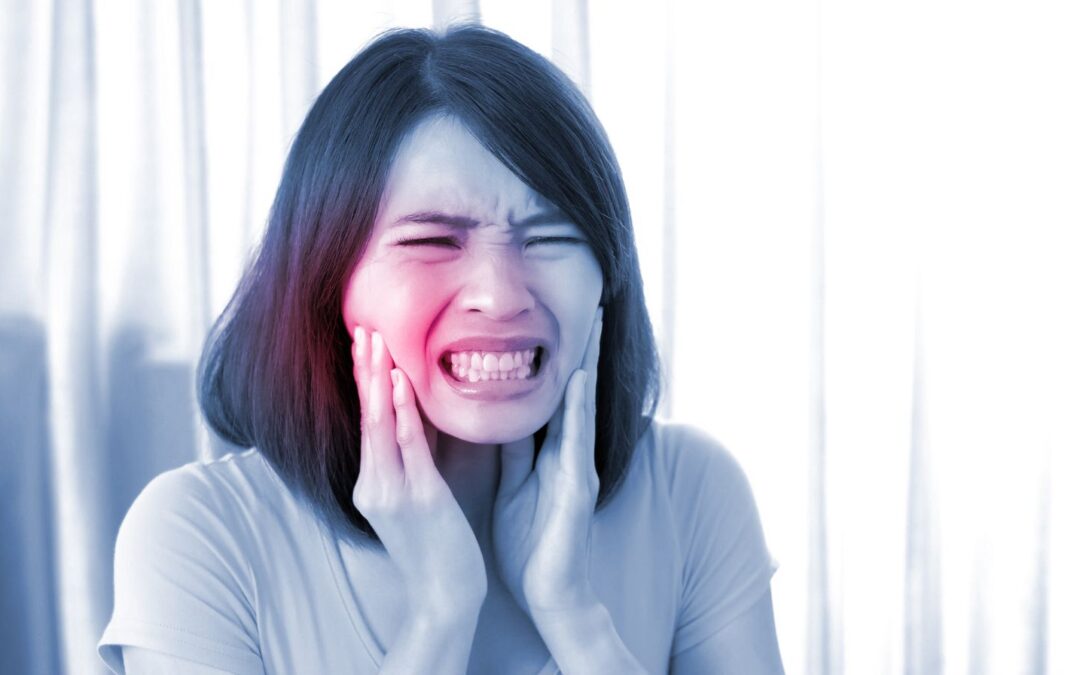
Winter brings cozy sweaters, holiday drinks, and cooler temperatures — but it can also bring a surprising number of oral health challenges. Many patients notice changes in their teeth, gums, and mouth during colder months, and winter conditions can make existing dental issues even more uncomfortable.
At Desert Hills Dental, we see a noticeable increase in winter-related tooth sensitivity, cracked teeth, dry mouth concerns, and gum irritation. Understanding why this happens — and how to prevent it — can help you protect your smile all season long.
1. Increased Tooth Sensitivity in Cold Weather
It’s common to feel a sharp zing when stepping outside, breathing in cold air, or drinking something hot or cold in winter. This usually happens because the dentin layer of your tooth becomes more reactive to temperature changes.
Common causes:
- Enamel erosion
- Gum recession
- Tooth grinding (which increases in winter due to stress)
- Previously untreated cavities
What helps:
- Using a sensitivity toothpaste
- Avoiding overly hot or cold foods
- Scheduling a winter checkup to identify underlying issues
At Desert Hills Dental, we provide customized solutions like fluoride varnish, bonding, or desensitizing treatments to offer long-term relief.
2. Dry Mouth From Winter Air & Indoor Heating
Cold outdoor air combined with indoor heaters creates an environment that dries out the mouth. Saliva plays a major role in protecting teeth from decay, so dryness significantly increases cavity risk.
You may notice:
✔ Sticky mouth feeling
✔ Increased bad breath
✔ More plaque buildup
✔ Cracks in the corners of the lips
Prevention tips:
- Stay hydrated
- Use a humidifier at home
- Avoid excessive caffeine
- Chew sugar-free gum to stimulate saliva
Desert Hills Dental also offers professional guidance and products to help manage chronic dry mouth.
3. Cracked Teeth From Seasonal Eating and Temperature Swings
Cold air outside + hot drinks inside = rapid temperature changes that can stress enamel. Combine that with holiday foods like nuts, brittle candy, and hard breads, and cracked teeth become more common in winter.
Symptoms of a cracked tooth:
- Sharp pain when biting
- Sensitivity to cold
- Pain that comes and goes
Our dentists at Desert Hills Dental use digital imaging to diagnose cracks early and prevent them from worsening. Treatments may include bonding, crowns, or — in severe cases — root canals to save the tooth.
4. Increased Risk of Gum Inflammation
Winter illnesses like colds and sinus infections can cause more mouth breathing, which dries out gums and irritates soft tissues. Cold sores and canker sores also tend to flare up more in winter.
How to protect your gums:
- Maintain consistent brushing and flossing
- Use a gentle, alcohol-free mouthwash
- Take vitamin C and zinc to support immunity
- Schedule a cleaning to remove bacteria buildup
Desert Hills Dental provides gentle cleanings and personalized gum care, especially for patients with seasonal inflammation or periodontal concerns.
5. Holiday Stress Can Make Dental Issues Worse
Winter stress often leads to nighttime teeth grinding (bruxism), jaw pain, headaches, and even cracked teeth.
Signs of winter bruxism include:
- Sore jaw
- Morning headaches
- Flattened or chipped teeth
We offer customized night guards at Desert Hills Dental to protect your teeth and help you sleep more comfortably.
Your Smile Needs Extra Care During Winter — We’re Here to Help
Winter’s unique conditions can challenge your oral health, but the right preventive care can keep your smile strong, healthy, and comfortable all season long.
At Desert Hills Dental, we’re committed to providing advanced preventive, restorative, and comfort-focused dental care so you can stay confident this winter and beyond.
Whether you're struggling with sensitivity, dry mouth, cracked teeth, or gum irritation — or simply overdue for a checkup — we’re here to help.
Protect your smile this winter. Schedule your visit with Desert Hills Dental at dentiststgeorgeutah.com today.
Recent Comments